
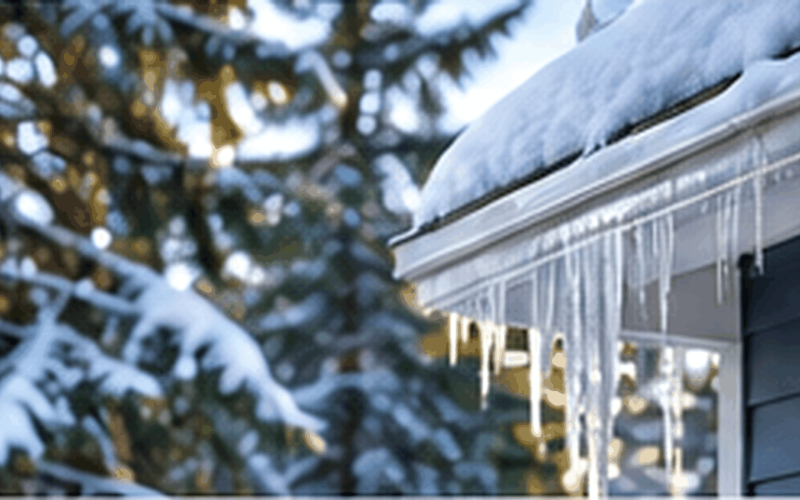
Before the First Deep Freeze: Preparing for Winter Costs That Catch Households Off Guard
 Winter changes the economics of an ordinary household. Heating costs can rise, commuting may become more expensive, and a furnace or water heater can fail when it is needed most. People looking at options for addressing urgent seasonal expenses should begin with prevention and a realistic cold-weather budget rather than assuming every surprise bill requires financing. A small amount of preparation can make an important difference when temperatures drop and repair providers are busy.
Identify Which Winter Costs Are Predictable
Review the previous winter’s electricity, natural gas, heating fuel, and transportation expenses if records are available. Compare the coldest months with a typical mild-weather month. The difference provides a useful starting estimate for the seasonal increase in household spending.
Remember that weather, fuel prices, insulation, and household occupancy can all change the result. Rather than treating an estimate as an exact forecast, include a modest buffer for unusually cold periods. Households with variable monthly utility bills may benefit from investigating budget billing programs, while reviewing their rules and reconciliation charges carefully.
Check Essential Systems Before a Breakdown
Routine maintenance can reduce avoidable emergencies. Depending on the equipment, tasks may include replacing suitable filters, checking weatherstripping, servicing heating systems, clearing safe drainage paths, and inspecting vulnerable plumbing. Follow manufacturer guidance and use qualified technicians for work involving fuel, electricity, or other safety risks.
A service appointment can feel like an unnecessary expense when everything is working. Yet discovering a problem before the coldest weekend may provide more scheduling flexibility and time to compare quotes. Maintenance does not guarantee equipment will never fail, but it can make certain problems easier to identify.
Know Which Repairs Cannot Wait
A failed heating system during severe cold can be a genuine safety concern. Other winter-related tasks, such as cosmetic upgrades, may be postponed. Ask a qualified professional for a written assessment of what is required to restore safe operation.
Before authorizing work, request an itemized estimate and ask which costs could change after inspection. Consider warranty coverage, insurance conditions, landlord responsibilities where applicable, and whether a second quote is practical given the urgency. Never attempt unsafe repairs solely to avoid paying a professional.
Look for Support Before Taking on Debt
Some utility providers and community organizations offer payment arrangements or targeted assistance for eligible households. Programs depend on location, income, and available funding. Contacting the provider directly can clarify whether an affordable arrangement is possible and whether missing a payment has service consequences.
Where a necessary repair creates an unavoidable shortfall, compare the entire cost of any financing option. A lower scheduled payment can still be expensive if repayment continues long after winter ends. Include interest, permitted charges, and the impact on other essential bills.
Plan for Transportation and Supplies
Winter preparation is not limited to the home. Tires, vehicle maintenance, transit changes, and emergency supplies may also affect the budget. A household relying on a vehicle for work should identify maintenance needs before conditions deteriorate.
Buy essential supplies according to actual needs rather than reacting to every seasonal promotion. A planned purchase made gradually can be easier to absorb than several purchases made in one pay period.
Turn Seasonal Costs Into Year-Round Savings
After winter, add up the extra amounts spent on heating, maintenance, and cold-weather transportation. Divide a reasonable annual estimate across twelve months and set aside that amount throughout the year when possible. Revisit the target if rates or household needs change.
Winter expenses are easier to manage when predictable costs are separated from genuine emergencies. Preparing equipment, comparing utility options, and keeping a financial cushion can reduce last-minute decisions. If borrowing is considered, the agreement should address a clearly defined essential cost and remain affordable even after the snow has melted.